
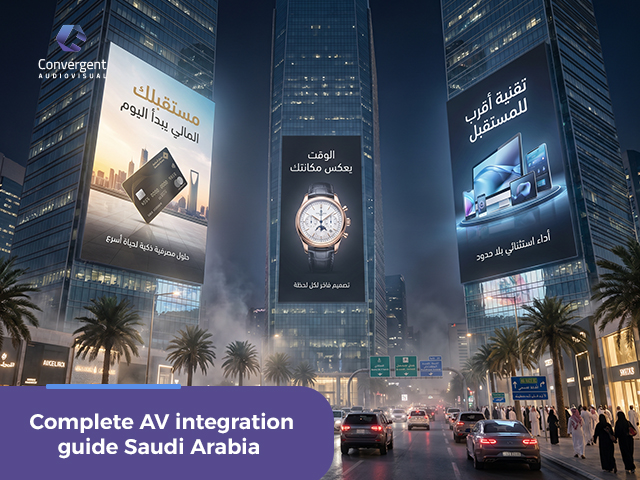
As businesses and institutions across Saudi Arabia continue to upgrade their spaces, integrated audio and visual systems have become a basic requirement, not a luxury. Whether in offices, universities, healthcare facilities, or government buildings, the focus is on solutions that work smoothly and last long-term. This AV Integration Guide Saudi Arabia walks through the key steps for planning and implementing practical, reliable AV systems that fit the needs of the Saudi market.
Understanding AV Integration
AV integration is the structured process of designing and connecting audio, video, and control technologies so they operate as one coordinated environment. The integration is not limited to equipment installation; it also includes system architecture, signal flow planning, interoperability, user interface design, and performance validation.
With the shift toward IP-based infrastructure, AV systems now operate over data networks, which require alignment with IT standards, bandwidth capacity, and cybersecurity policies. The goal is to create a stable environment where communication is clear and system control is intuitive.
Key Components Within an Integrated AV Environment
Visual Output Solutions:
Guidelines from AVIX clarify that choosing a display should be based on:
- The size of the room.
- how far people sit from the screen.
- The level of lighting.
- The type of content being shown.
Direct view LED works well in large venues because it provides strong brightness and a continuous image without visible gaps. Projectors are often used in lecture halls and training rooms where lighting can be controlled. Large-format LCD screens and interactive panels are common in meeting rooms thanks to their sharp image and simple operation. Selecting the appropriate display helps ensure clear visibility and better audience engagement.
Sound Processing Chain:
Clear audio is essential for speech understanding. Technical guidance from manufacturers such as Shure and Bose Professional shows the importance of correct microphone placement, proper amplifier sizing, and digital signal processing (DSP) tuning. DSP units manage echo cancellation, background noise reduction, and sound balance. When audio components are configured correctly, voices remain clear across the entire room without distortion or feedback.
System Control Interfaces:
Integrated AV systems are easier to use when all functions are managed from one central control point. Solutions developed by companies such as Crestron and Extron allow users to operate screens, sound, lighting, and video conferencing through a single touch panel. This setup makes meetings start faster and limits technical mistakes. A clear and simple interface helps users control the room without needing technical support.
Content Routing Technology:
In any AV Integration Guide Saudi Arabia, signal distribution is an important part of system design. Matrix switchers or AV over IP solutions are used to control how audio and video move between devices. According to technical guidance from Cisco, AV over IP allows signals to run through the same network used for data instead of using separate cables for each connection. Encoders send the signal across the network, and decoders receive it at the display or speaker. This method makes it easier to share content between rooms and expand the system later without major changes.
Network and Cabling Setup:
A reliable AV system starts with a good network and cabling setup. Following ISO/IEC standards ensures that both copper and fiber cables work smoothly for sending audio and video signals. Using managed network switches keeps traffic organized and maintains enough bandwidth for all AV devices. Keeping cables tidy, labeled, and tested helps prevent problems and makes future maintenance much easier.
Collaboration and Hybrid Meeting Integration:
Modern AV systems need to support both in-room and remote participants. According to official guides from Microsoft for Microsoft Teams Rooms and from Zoom Video Communications for Zoom Rooms, using certified hardware ensures clear video, synchronized audio, and secure connections. When systems are set up correctly, everyone can communicate smoothly without interruptions, whether they are in the room or joining remotely.
Key Standards and Compliance Requirements in AV Integration Guide Saudi Arabia
A strong AV Integration depends on following clear international standards and local regulations. Guidance from AVIXA explains how AV systems should be documented, tested, and evaluated to make sure they perform as expected and meet quality requirements.
AV systems that operate over networks are required to follow ISO/IEC information technology standards, which set clear rules for structured cabling, electromagnetic compatibility, and stable data transmission.
In Saudi Arabia, supervision from the Communications, Space and Technology Commission, along with the requirements of the Saudi building code, regulates equipment approval, installation safety, and the legal operation of connected technologies. Complying with these standards helps limit technical problems and supports consistent system performance.
Core Standards and Regulatory References:
AVIXA Standards:
AVIXA standards explain how to plan, document, and test AV systems to make sure they work properly. Following these rules helps keep installations reliable and consistent with professional quality.
ISO/IEC Cabling Standards:
ISO/IEC standards explain how to install copper and fiber networks so that AV and data signals work reliably. They cover structured cabling, interference protection, and network performance to make sure all devices connect and communicate properly.
CST Regulations:
The Communications, Space & Technology Commission (CST) regulates telecom and network devices in Saudi Arabia. Their rules cover equipment approval, spectrum use, and network compliance to make sure AV systems operate legally and reliably.
Cybersecurity Controls:
The National Cybersecurity Authority provides guidelines to secure network-connected devices, including AV systems. These controls protect systems from unauthorized access, prevent data breaches, and ensure safe operation of IP-based audio, video, and control devices.
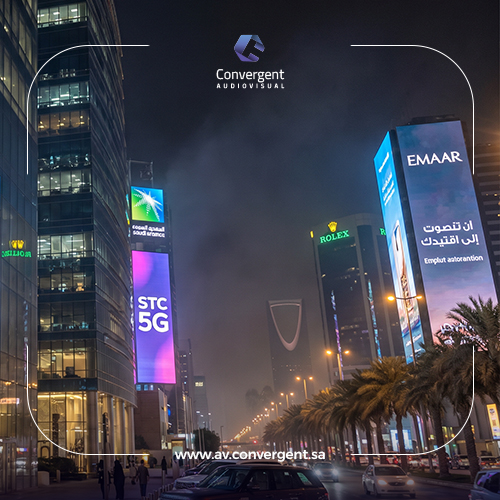
AV System Planning Phases in AV Integration Guide Saudi Arabia
Planning is a critical phase in any AV integration as it ensures that audio-visual systems are designed to meet functional needs, operate reliably, and comply with technical standards. Proper planning reduces installation issues, guarantees compatibility between components, and supports long-term performance.
Key Phases of AV System Planning:
- Needs Assessment: Identify the type of space (meeting room, classroom, auditorium) and its usage. Consider audience size, content type (presentations, video, interactive sessions), and visibility requirements.
- Site Survey and Technical Evaluation: Examine room dimensions, lighting, acoustics, cable pathways, and ceiling heights. Evaluate network capacity and power availability to ensure support for AV equipment.
- Budget and Resource Planning: Estimate costs for hardware, installation, and ongoing maintenance. Plan for scalability to accommodate future upgrades without major infrastructure changes.
- Equipment Selection: Choose displays, audio devices, and control systems based on the space and intended usage. Ensure compatibility with AV and IT standards.
- Integration and Connectivity Planning: Include IP-based AV solutions, network security measures, and compatibility with collaboration platforms like Microsoft Teams rooms or Zoom rooms.
This phased approach ensures that every AV system is reliable, efficient, and tailored to the operational needs of the organization while aligning with recognized technical and safety standards.
AV System Design Principles in AV Integration Guide Saudi Arabia
Designing an effective AV system is a crucial step in any AV integration. According to AVIXA, a well-designed system ensures that all components work together reliably, provide clear audio and video, and meet user needs. Proper design considers the layout of the space, signal flow, user operation, and future expansion.
Key Principles of AV System Design
- Signal Flow Planning: Define how audio and video signals move between sources, processors, and displays. Proper signal routing prevents delays, loss, or interference.
- Centralized vs. Decentralized Systems: Decide whether controls and processing will be centralized in one location or distributed across multiple rooms. Centralized systems simplify management, while decentralized systems offer flexibility.
- Wired vs. Wireless Solutions: Choose the appropriate mix of wired connections for stability and wireless options for flexibility. Consider bandwidth, interference, and security when using wireless components.
- Redundancy and Failover: Include backup paths for critical signals and power to maintain system operation during failures. This principle ensures reliability in high-demand environments.
- Future Expansion: Design the system to allow easy upgrades, additional rooms, or new technologies without major changes. Planning for growth reduces long-term costs and downtime.

Common Challenges in Saudi AV Projects
According to AV Integration guide Saudi Arabia, implementing AV systems presents unique challenges due to climate, infrastructure, and project scale. According to published technical guides from Crestron, recognizing these challenges early helps plan for reliable, long-lasting installations.
Main challenges in Saudi AV projects include:
Extreme Climate Conditions:
High temperatures and dust can affect the performance of displays, projectors, and audio equipment. Choosing equipment rated for harsh environments and planning proper ventilation is essential.
Rapid Project Timelines:
Large-scale developments and corporate projects often require fast installation. Tight schedules increase the risk of errors, which makes detailed planning and phased implementation critical.
Integration with Existing Systems:
Many projects involve adding new AV solutions to legacy equipment or IT networks. Ensuring compatibility and minimal disruption requires thorough technical evaluation.
Coordination Between AV and IT Teams:
AV systems now use more networked devices. Working closely with IT teams helps make sure there is enough bandwidth, the system is secure, and signals stay reliable.
Supply Chain and Equipment Availability:
Getting specialized AV equipment in the region can be difficult. Planning ahead helps prevent delays in buying and installing the devices.
ROI and Business Value of AV Integration Guide Saudi Arabia
Investing in AV systems has many returns for organizations in Saudi Arabia. Well-planned AV integration improves communication, increases productivity, and reduces operational errors, which contributes to measurable business value.
Key Points on ROI and Business Value:
- Improved Collaboration: High-quality AV systems allow teams to communicate clearly, whether in the room or remotely, reducing misunderstandings and speeding up decision-making.
- Time and Cost Savings: Efficient AV setups reduce setup time for meetings and training sessions, saving labor hours and minimizing downtime.
- Enhanced Engagement: Clear audio, video, and interactive displays improve audience participation in presentations, training, and conferences, which can boost learning and performance.
- Scalability and Flexibility: Investing in modular, IP-based AV systems allows organizations to expand or upgrade without major costs, maximizing long-term ROI.
- Competitive Advantage: Organizations with modern AV capabilities can deliver better client presentations, support hybrid work, and attract talent, all contributing to business growth.
This shows that integrating AV systems carefully in Saudi Arabia is not just a technology investment but a tool that drives operational efficiency, engagement, and measurable business benefits.
Convergent Technology and AV Integration Guide Saudi Arabia
Convergent Technology delivers professional AV solutions across Saudi Arabia, helping organizations plan, design, and implement integrated audio-visual systems that are reliable, easy to use, and fully compliant with industry standards.
Key services include:
- Turnkey AV Solutions: CT delivers complete AV setups, combining sound, displays, and control systems in one package for a smooth experience.
- Customized AV Designs: Systems are tailored to the space and how it will be used, including video conferencing, digital signage, and meeting room setups.
- Consultation and Integration: We work with clients to understand needs and connect AV systems with other technology platforms.
- Support for Multiple Technologies: Services also include lighting control, building automation, and security systems, creating smarter and connected spaces.
- Efficiency and Sustainability: Systems are designed to save energy, last longer, and support future upgrades.
This makes Convergent Technology a reliable partner for implementing AV systems that follow the standards and best practices in an AV Integration Guide Saudi Arabia.
Conclusion
A well-planned AV system following an AV Integration Guide Saudi Arabia ensures reliable performance, user-friendly operation, and long-term value. Partnering with experts like Convergent Technology helps organizations improve collaboration, engagement, and efficiency, making AV integration a smart investment.
For professional AV solutions in line with the AV Integration Guide Saudi Arabia, contact Convergent Technology today to plan, design, and install user-friendly systems.
FAQs About AV Integration Guide Saudi Arabia
Why is planning important for AV systems?
Proper planning ensures that the system meets user needs, works reliably, and avoids installation or operational problems.
Can AV systems be upgraded in the future?
Yes, well-designed systems allow for easy upgrades, expansion, or integration with new technologies without major changes.

No comment