
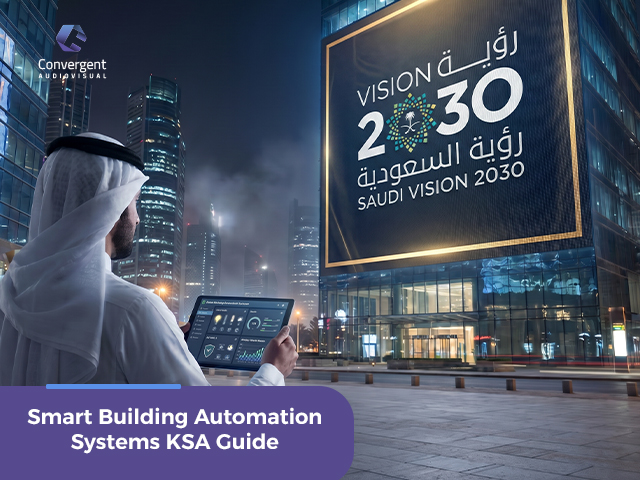
This Smart Building Automation KSA guide explains how integrated systems improve energy efficiency, security, and operational performance across Saudi facilities. By connecting HVAC, lighting, and control systems through centralized platforms, buildings reduce costs and meet national sustainability goals. Supported by Saudi Vision 2030 and the Saudi Building Code (SBC 601 – Energy Conservation), smart automation is becoming a core infrastructure standard.
What is Smart Building Automation?
Smart building automation is a system that connects a building’s technical infrastructure into a unified digital environment. Through continuous data exchange and automated responses, the building can regulate performance without constant manual intervention. Global efficiency reports, including publications from the International Energy Agency (IEA), highlight automation as a practical way to reduce energy demand, improve operational transparency, and support sustainability targets in modern infrastructure.
Core components of smart building automation:
Central Control Platform
A supervisory system that gathers operational data and provides facility managers with a single dashboard for oversight and performance adjustments.
Climate Regulation Systems
Automated control of heating, cooling, and ventilation based on occupancy patterns and environmental readings to maintain stable indoor conditions.
Adaptive Lighting Control
Intelligent dimming and scheduling that responds to daylight availability and space usage.
Integrated Safety Infrastructure
Coordinated monitoring of surveillance, alarms, and controlled access to strengthen building protection.
Connected Field Devices
Sensors and controllers that detect environmental changes and transmit accurate measurements for system optimization.
Protocols and Technologies for Smart Building Automation KSA Guide
In Saudi Arabia, implementing smart building automation requires reliable protocols and advanced technologies to ensure seamless communication between systems.
These standards allow HVAC, lighting, security, and energy management systems to operate efficiently together to improve building performance and reduce operational costs. By adopting these technologies, facilities can achieve real-time monitoring, remote control, and data-driven optimization, which are essential for modern sustainable infrastructure.
Core Protocols and Technologies:
BACnet
A standard that allows devices from different manufacturers to exchange information smoothly and reliably.
KNX
Internationally recognized for controlling lighting, shading, and energy systems in both commercial and residential buildings.
Modbus
Supports stable communication between sensors, controllers, and monitoring systems for precise automation.
IoT Integration
Connects devices to networks for remote access, predictive insights, and real-time adjustments.
Cloud-Based Platforms
Centralized solutions that store data, analyze performance, and provide actionable reports for facility managers.
This combination of protocols and technologies ensures that smart building automation KSA projects operate efficiently while maintaining comfort, safety, and energy savings.
Smart building automation KSA guide for the Market in Saudi Arabia
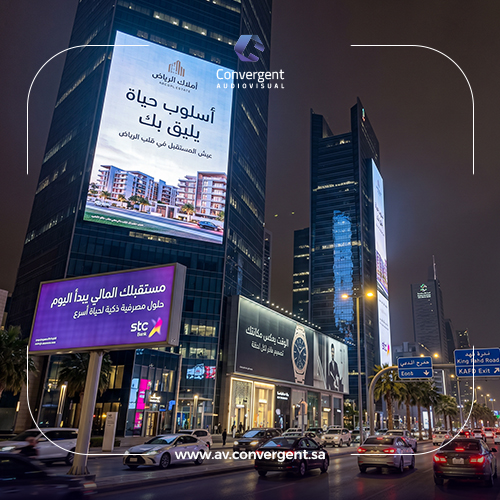
The smart building automation market in Saudi Arabia is growing quickly, driven by new construction, large infrastructure projects, and national plans for sustainability and digital buildings. Reports show the market is worth over USD 1 billion, which reflects the high demand for systems that save energy, improve operations, and manage building performance.
Cities like Riyadh, Jeddah, and Dammam lead this growth, supported by projects such as NEOM and the Red Sea Development, which require integrated systems for energy, security, and efficiency. Government regulations for modern buildings also encourage adoption.
Key Insights on Market Growth:
- Sector Demand: Offices, hotels, and retail spaces increasingly use automated systems to reduce energy use and manage costs.
- Vision 2030 Projects: National initiatives create opportunities for large-scale smart building installations.
- Urban Growth: Expanding cities need buildings with advanced monitoring and control systems.
- Technology Integration: IoT devices, AI, and cloud platforms help manage systems and predict maintenance needs.
The market continues to grow as Saudi Arabia invests in efficient, connected, and modern buildings.
Smart Building Automation KSA Guide for Benefits
Implementing smart building automation in Saudi Arabia brings significant advantages, including:
- Energy Efficiency: Automated control of heating, cooling, and lighting reduces electricity use and utility bills.
- Lower Operational Costs: Continuous monitoring allows timely maintenance, preventing failures and minimizing downtime.
- Enhanced Safety and Security: Integrated alarms, access control, and surveillance protect occupants and assets.
- Improved Comfort: Climate and lighting adapt to occupancy and preferences for better indoor conditions.
- Support for Sustainability: Efficient energy use helps meet national standards and Saudi Vision 2030 goals.
By linking HVAC, lighting, security, and energy systems into a single platform, buildings can adjust automatically to real-time conditions. This integration reduces waste, lowers operational costs, and improves the overall experience for users.
Smart Building Automation KSA Guide for Implementation Process
Implementing smart building automation in Saudi Arabia connects building systems for better efficiency, energy management, and occupant comfort. A clear plan ensures HVAC, lighting, security, and energy systems operate together while complying with national standards.
Implementation steps include:
Assessment
Review existing infrastructure, identify energy and operational needs, and set objectives for automation.
Integration
Connect HVAC, lighting, security, and energy systems using standard protocols like BACnet and KNX, ensuring smooth communication.
Installation
Install sensors, controllers, and the central control platform, then verify that each system functions correctly.
Monitoring
Continuously track performance, adjust settings for efficiency, and detect issues early to prevent downtime.
Support
Train facility managers on system operation and maintenance to sustain long-term performance.
Following these steps ensures smart building automation KSA projects operate efficiently and deliver measurable energy savings.
Challenges of Smart Building Automation KSA
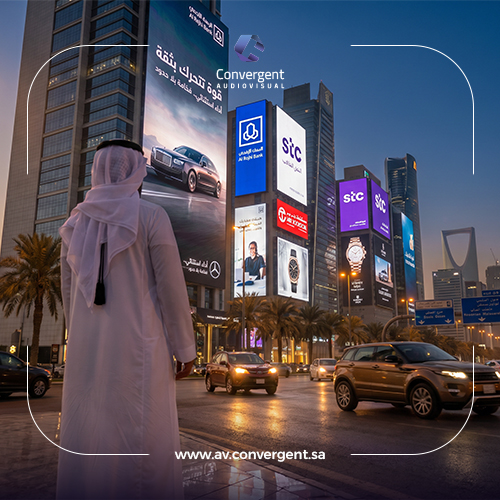
Implementing smart building automation in Saudi Arabia faces several practical challenges, which make adoption slower despite the market’s growth. These challenges are noted in industry reports and market analyses focused on KSA.
Key challenges include:
- High Initial Costs: Purchasing and installing building management systems, sensors, and software platforms requires significant investment.
- Shortage of Skilled Workforce: Trained personnel are needed to design, install, and maintain systems efficiently, but such experts are limited in the region.
- System Integration Complexity: Older buildings with legacy equipment may face difficulties integrating new automation technologies and protocols.
- Cybersecurity Risks: Connected systems are vulnerable to attacks, so robust protection measures are essential to safeguard operations and occupant data.
Smart Building Automation KSA Guide for Real Applications
Smart building automation is already used in several high‑profile projects across Saudi Arabia. These examples show how integrated systems help manage energy, security, and operations in modern developments, supporting national goals for efficiency and smart infrastructure.
Real use cases include:
Commercial towers in Riyadh:
Office buildings use centralized control systems to monitor energy use, adjust HVAC and lighting, and reduce costs.
Hospitality Projects on the Red Sea:
Resorts and hotels apply automation to balance guest comfort with energy management, especially in remote locations.
Industrial and Logistics Facilities:
Automated control helps manage equipment, track performance, and schedule maintenance in large complexes.
Government and Public Buildings:
Integration of security, climate, and energy systems improves service delivery and operational oversight.
These applications reflect a shift toward efficient, data‑driven building management that aligns with broader development and sustainability targets in Saudi Arabia.
Future of Smart Building Automation KSA Guide
The future of smart building automation in Saudi Arabia focuses on more connected systems, efficient energy use, and better building management. As cities grow and infrastructure modernizes, demand for advanced automation is expected to increase.
Key developments include:
- Artificial Intelligence: AI will help buildings adjust temperature, lighting, and ventilation automatically, reducing energy waste.
- Expanded IoT Use: More sensors will track energy use, air quality, and occupancy to guide system adjustments.
- Real-Time Data Processing: Edge computing will allow faster responses by analyzing data locally rather than relying on remote servers.
- Integration with Renewable Energy: Solar and other clean energy sources will work with automation systems to match supply and demand.
- Supportive Policies and Standards: Updated Saudi building codes and energy efficiency regulations will promote wider adoption of smart systems.
Role of Convergent Technology In Smart Building Automation KSA Guide
Convergent Technology is a Saudi company that supports building automation by linking different systems like HVAC, lighting, security, and audiovisual controls into one platform. Our solutions help buildings operate more efficiently while making them safer and more comfortable for occupants.
How Convergent Technology Contributes
- System Integration: Connects all building systems so they work together smoothly and can be managed from a single control platform.
- Energy Efficiency: Designs systems that reduce electricity use and lower operational costs.
- Security and Monitoring: Provides access control and surveillance tools to protect people and property.
- Customized Solutions: Adapts technology to the needs of each building, ensuring compatibility with existing equipment.
Through these services, Convergent Technology helps make buildings in Saudi Arabia smarter, safer, and more efficient.
Conclusion
The rise of smart building automation KSA is reshaping how buildings operate across the Kingdom. From energy savings to improved safety and comfort, integrated systems are no longer optional; they are essential for modern infrastructure.
With growing urban development, national sustainability goals, and innovative companies like Convergent Technology leading the way, Saudi Arabia is positioning itself as a hub for intelligent, efficient, and future-ready buildings. Embracing automation today ensures long-term operational success, lower costs, and a built environment that meets both present and future needs.
Boost your building’s efficiency and safety with Convergent Technology, your partner in smart building automation KSA. Contact us now.
FAQs About Smart Building Automation KSA Guide
Costs vary depending on building size, systems integrated, and technology used. Projects can range from mid-sized offices to large commercial complexes with customized solutions.
Installation typically ranges from a few weeks for smaller projects to several months for large buildings, depending on complexity and integration needs.
Yes, legacy systems can be integrated with modern automation platforms, though assessment and planning are essential to ensure smooth operation.
Yes, staff need guidance to operate, monitor, and maintain the system effectively to achieve long-term benefits.

No comment